
Gwinnett Previous Resident Sources
The source must match the era and the claim. Deeds establish title transfers, census schedules show households, telephone books identify listed subscribers, and probate or newspapers explain family events. None is a full resident roll. Use several layers before naming previous residents.
| Source | Verified span | Access | Evidence |
|---|---|---|---|
| Deed books and index | September 26, 1871 to present | Clerk or GSCCCA | Owners, transfers, legal descriptions |
| Probate books | Varies by digitized volume | Probate page or lobby | Estates, heirs, wills |
| Census | GCPL 1820-1920; public through 1950 | GCPL, NARA, licensed databases | Household and enumeration |
| Newspapers | June 1871 onward with gaps | GCPL microfilm | Obituaries, notices, events |
| Telephone directories | Verified local scans 1968-1977 | Library of Congress | Subscriber and printed address |
| Permits | Historic cutoff unverified | County, city, or request | Construction events |
Begin with the current parcel even for an old question. Its PIN and legal description bridge to records that never used today's address. Collection details belong on the Gwinnett County city directories page.
Anchor Gwinnett Previous Residents
Enter the address in the Board of Assessors Property Information and Map Search. Save the current owner, mailing and situs addresses, PIN, legal description, subdivision or lot, exemption indicator, and deed reference. Situs is the physical property address. Mailing is where tax correspondence goes, and a mismatch does not prove who occupies the site.
Open the same PIN in the GIS Data Browser. Confirm the selected parcel and compare its boundary with streets, lots, and municipal layers. Postal city names often differ from incorporated limits in Gwinnett, which changes the permit custodian. A homestead indicator supports owner occupancy but never names each person in a household.
Walk Gwinnett County Deeds Backward
A chain of title is the linked sequence of recorded transfers for the same land. The Clerk of Superior Court keeps deeds, security deeds, liens, plats, and related records. GSCCCA provides remote index and image access, while the clerk permits free searching and viewing at 75 Langley Drive.
- Copy the present owner's indexed name, deed reference, and legal description from the parcel card.
- Find the acquisition deed and note the grantor, grantee, date, instrument citation, and prior-deed reference.
- Search the seller as a grantee before the sale date. Try spelling variants, estates, trusts, and married or maiden names.
- Open the earlier deed and match the same land description. Repeat to the target era or record boundary.
- At a gap, inspect plats, probate, taxes, newspapers, church files, cemetery records, and archives.
- Grantor
- The party transferring an interest.
- Grantee
- The party receiving it.
- Legal description
- The recorded land identity based on lot, block, district, boundaries, or related terms.
- Chain of title
- The sequence of transfers for one parcel.
The official Filing Activity Notification System page appears below.
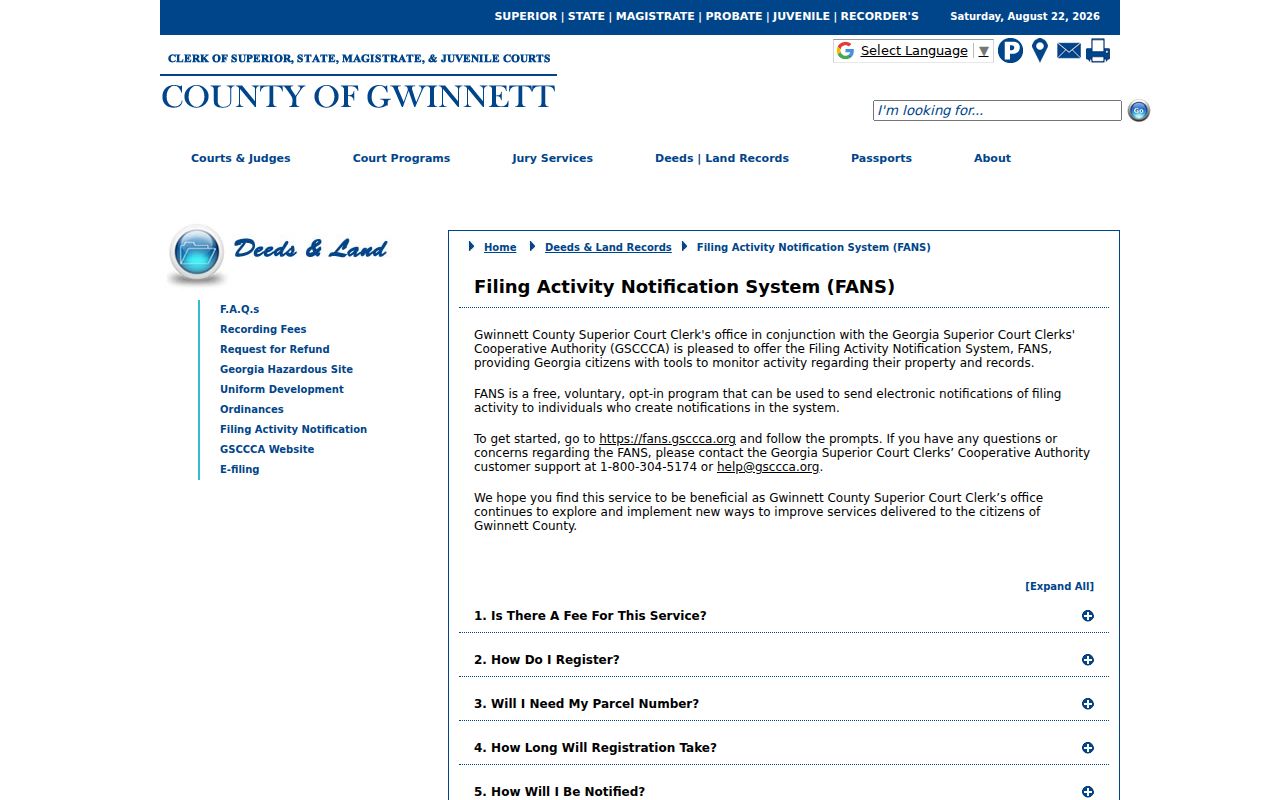
FANS can flag selected filing activity, but it is not an ownership search, title insurance, or proof that a filing is valid.
Gwinnett's 1871 Record Boundary
The clerk states that land records begin September 26, 1871 because former records were lost by fire. County history dates the courthouse fire to September 10. This is a branching point for previous-resident work, not proof that all earlier evidence vanished.
At that boundary, shift to Georgia Archives county microfilm cards, land grants and lottery context, surviving tax and probate records, church and cemetery files, newspapers, and family manuscripts. The Wesley Family Papers finding aid describes Gwinnett deeds from 1821 to 1881 and related land papers from 1852 to 1886. One private collection cannot rebuild the whole series, but it shows why an archive search matters.
The Georgia county records microfilm index is shown here.
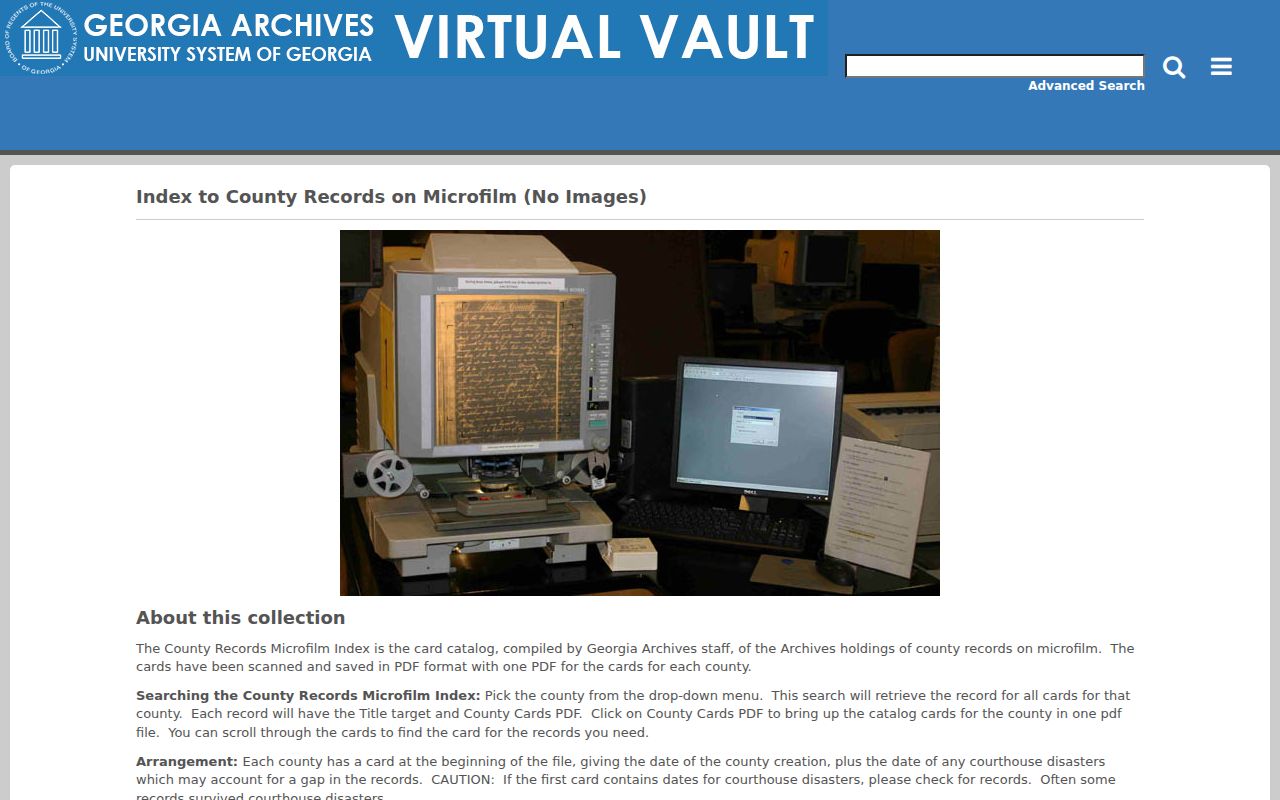
It identifies possible record groups after the continuous Gwinnett deed chain ends.
Keep Gwinnett Address History Joined
A modern street string is a weak long-term key. Postal labels may differ from city limits, annexation can move permit custody, and road names or numbers can change. No authoritative countywide renumbering chronology was found, so an unexplained mismatch must remain a gap.
Compare PIN history, legal description, land lot and district, subdivision and lot, recorded plat, deed citations, and historic map labels. Dense subdivisions often rely on lot and block. Older rural land around Dacula and Grayson may use metes-and-bounds descriptions. Sanborn maps can show footprint or use where a verified sheet exists, but no complete Gwinnett year list was established.
The safe flow is current address to PIN, PIN to legal description, legal description to deed, deed to prior grantee, then historical sources to occupants. That prevents previous residents from being attached to a nearby lot.
Gwinnett Past Households Between Years
Ownership is half of house history. Pair a deed interval with the nearest directory or census, then use probate and newspapers to explain change. GCPL has census microfilm from 1820 through 1920. The destroyed 1890 federal schedule is absent, and public federal census access currently reaches 1950 under the 72-year rule.
- Choose a deed interval when one owner held the parcel.
- Check the nearest public census and note enumeration order and place details.
- Search the closest verified telephone book by surname and printed locality.
- Compare adjacent years. A missing entry may mean a move, death, name change, unlisted phone, or exchange change.
- Use newspapers, probate, cemetery, and church sources to test the reason.
The National Archives census research page is represented below.
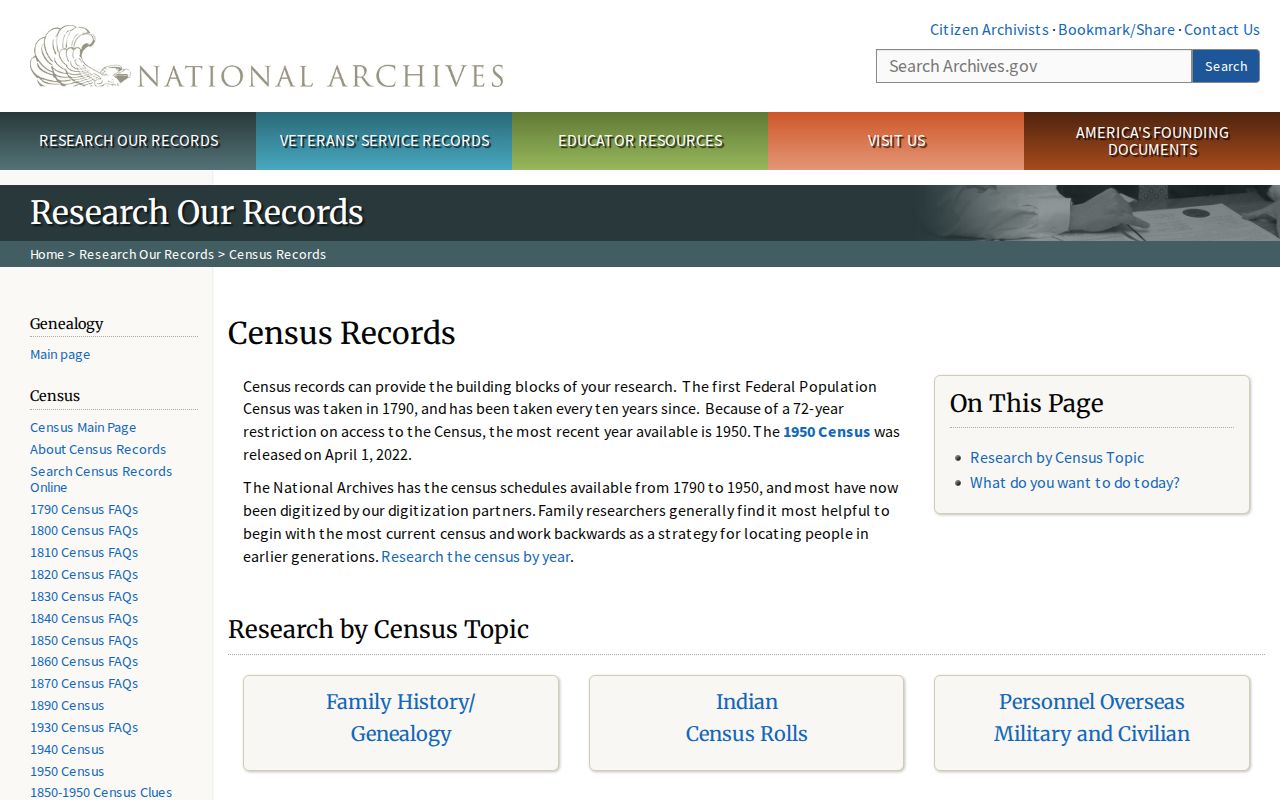
Census schedules contribute household and nearby enumeration context that deeds cannot provide.
End Gwinnett Trails With Probate
An obituary can connect a name with relatives, community ties, and a death date. Probate may identify an estate representative, heirs, will, guardianship, or property passing through an estate. Gwinnett Probate Court publishes archived books and indexes, with more file access through its lobby and request routes.
GCPL microfilm begins with the Weekly Gwinnett Herald in June 1871 and continues through title-specific runs of the News Herald, Gwinnett Journal, Buford Advertiser, Gwinnett Daily News, Gwinnett Post-Tribune, and Gwinnett Daily Post holdings. The reader can print, save, or email images. Staff also offer article or obituary requests and Book-a-Librarian help.
Search legal notices too. Estate sales, court matters, and community reports may explain why a person leaves an address and the printed directory trail.
Gwinnett Permits Date Property Change
Permits can name an applicant, owner, contractor, work type, issue date, inspection, and status. They help date an addition, demolition, or conversion. Those roles do not prove residence.
Use GIS boundaries before choosing the custodian. Gwinnett Planning and Development is normally first for unincorporated parcels. A city may hold files for incorporated land. When a portal lacks the right years, request existing records by exact address or PIN, type, and dates under the Georgia Open Records Act.
Limits on Gwinnett Previous Residents
A deed shows a recorded interest, not everyone inside a building. Census schedules can miss people. A directory excludes unlisted phones and may abbreviate localities. Permits track work. Probate and obituaries focus on death and estate events. State each source's date and exact claim.
No verified official Gwinnett house-history guide, exhaustive criss-cross run, complete Sanborn-year list, or countywide renumbering history was found. Ask GCPL or the Gwinnett Historical Society about uncataloged material rather than turning a catalog claim into fact.
Lawful use. Trace previous residents for family history, estate work, or personal house research, never to track, harass, intimidate, or harm a living person. Keep exact source citations.
Gwinnett Archives Fill Record Gaps
The Gwinnett Historical Society archive in Room 210 of the Historic Courthouse holds more than 1,600 publications plus family and subject files, maps, microfilm, photographs, and church, cemetery, school, and government material. Its public finding aids and staff route can reveal sources that a modern address search misses. The Georgia Archives adds county microfilm cards, manuscript descriptions, and research services. Bring a legal description, land lot, district, surname variants, and an approximate date rather than only a current street string.
The national loss of the 1890 census creates a second branch. Bridge 1880 to 1900 with deeds, probate indexes, tax material, newspapers, church and cemetery records, and any verified directory. GCPL's publication-specific newspaper runs are especially useful for legal notices and obituaries. They can connect a recorded transfer or estate to family context, but the original deed or probate file remains the authority for the legal event.